Discover New Opportunities
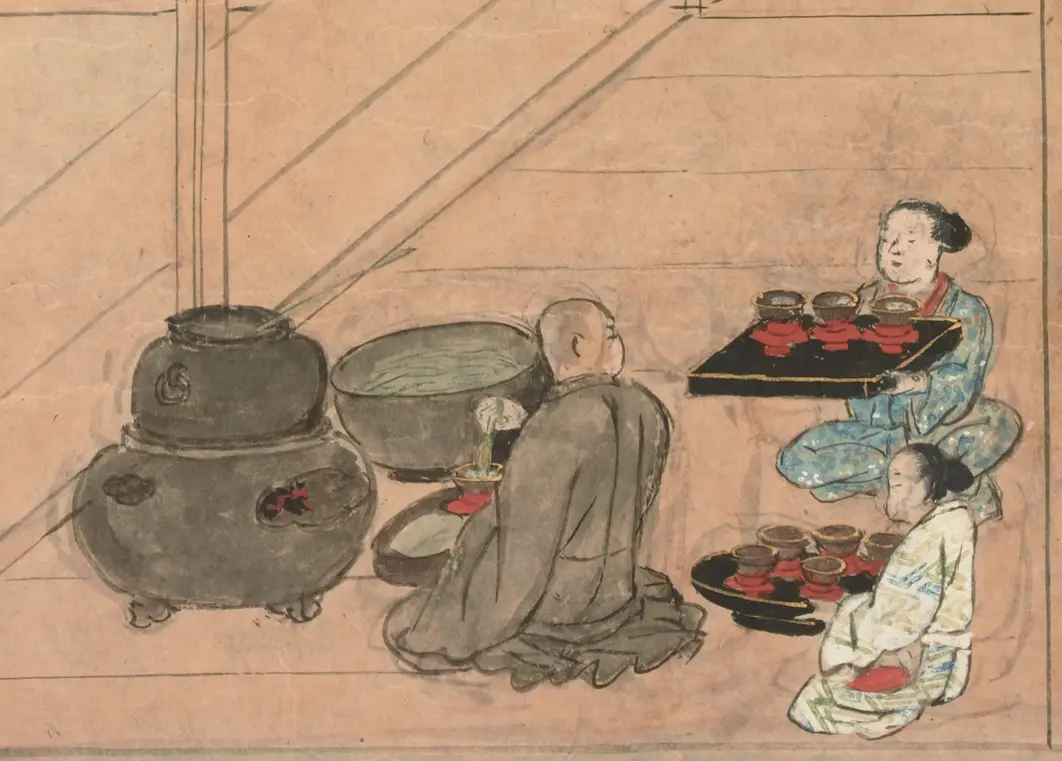
Matcha traces its origins to China during the Tang and Song dynasties, where tea leaves were steamed, compressed into cakes, and later ground into powder for whisking with hot water. This method of preparation was introduced to Japan in the 12th century by the Zen monk Eisai (栄西禅師), who brought both tea seeds and the philosophy of tea as a meditative practice. Over time, Japan refined the cultivation and preparation techniques - particularly the practice of shade-growing tea plants - which enhanced the tea’s vibrant green colour, umami depth, and nutritional profile.
Harmony and Mindfulnes
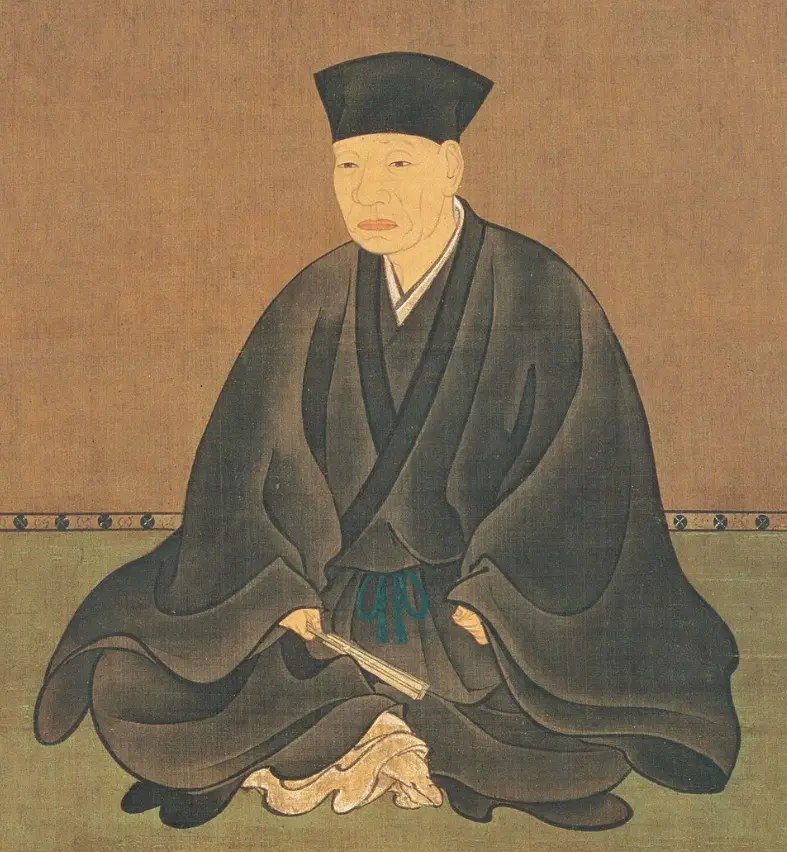
By the 16th century, matcha had become central to Japanese culture through the formalisation of the tea ceremony by Sen no Rikyū (千 利休).
His influence shaped the aesthetics and rituals of chanoyu, emphasising simplicity, mindfulness, and harmony. From a ceremonial tradition reserved for the elite, matcha gradually expanded into broader society and, in modern times, has evolved into both a cultural symbol and a globally recognised ingredient—valued not only for its heritage but also for its versatility in contemporary food, beverage, and wellness applications.